🐾 Blog Article
Never Miss a Sign: Solving Pet Pain Detection Challenges with PawSense AI
Discover how PawSense AI helps pet owners overcome the challenges of difficult to spot pet pain, ensuring early disease detection and better home assessment for their furry friends.
Never Miss a Sign: Solving Pet Pain Detection Challenges with PawSense AI
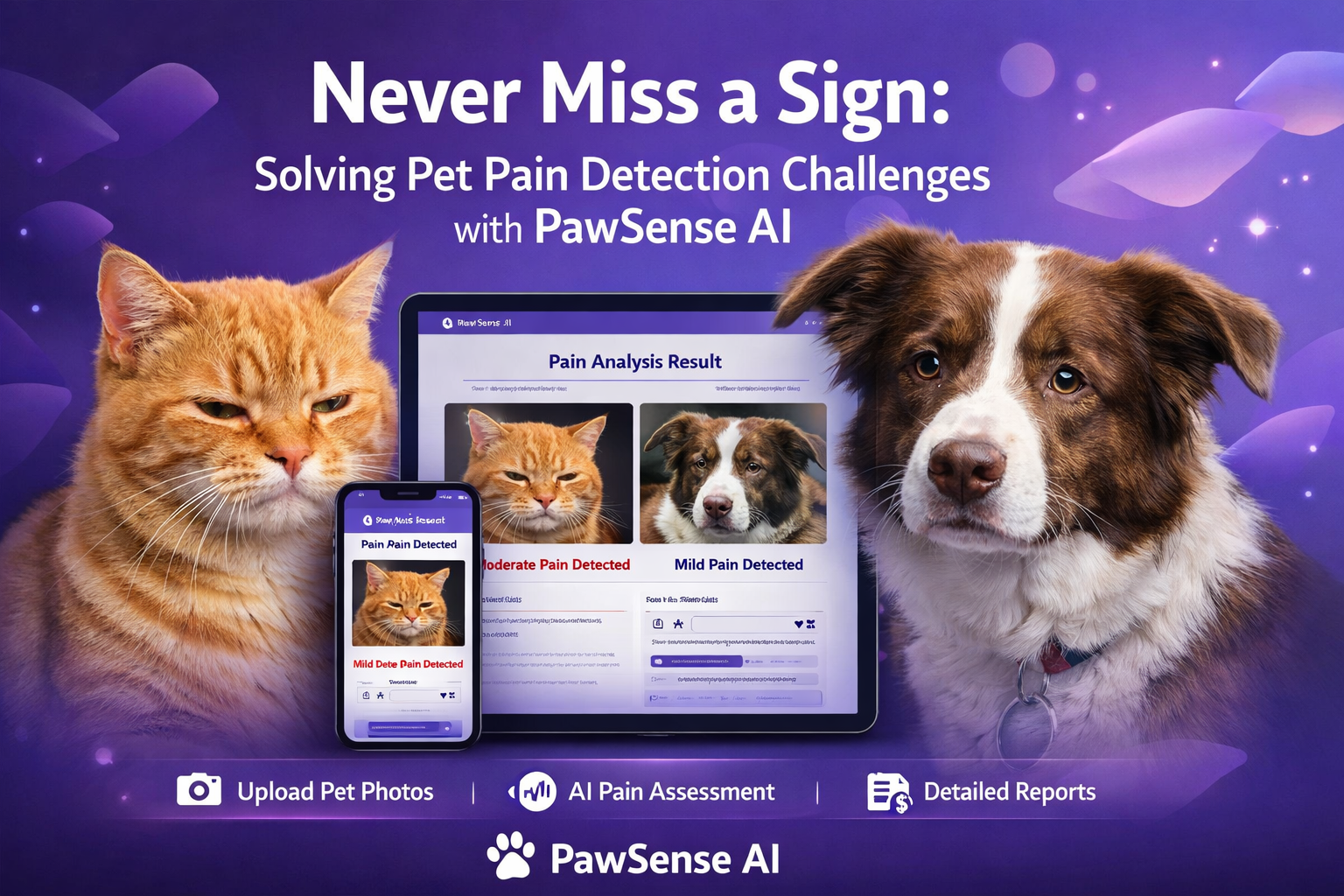
As devoted pet parents, we strive to give our furry companions the best possible life. Yet, one of the most agonizing challenges we face is the inability to fully understand their pain. Pets are masters at hiding discomfort, a survival instinct that makes difficult to spot pet pain a common and heartbreaking reality. Subtle changes in behavior, posture, or even facial expressions can be fleeting, often going unnoticed until a condition becomes advanced. This article delves into the inherent difficulties of detecting pet pain and introduces PawSense AI as a revolutionary solution designed to empower owners with the tools for effective pet pain assessment at home.
Every day, countless pet owners grapple with the uncertainty of their pet's well-being. Is that lethargy just tiredness, or a sign of deeper discomfort? Is that twitch a normal reflex, or a subtle grimace of pain? These missed pet pain signs can lead to delayed diagnoses, prolonged suffering, and more complex treatments down the line. PawSense AI steps in as your vigilant partner, utilizing advanced artificial intelligence to analyze your pet's photos and behavioral details, translating their silent language into actionable insights. Join us as we explore how this innovative web app is transforming pet care by providing reliable early pet disease detection, ensuring your beloved cat or dog receives the attention they need, precisely when they need it.
The Hidden Burden: When Pet Pain Goes Unnoticed by Owners
Pets, by nature, are incredibly resilient. In the wild, showing weakness or pain can make them vulnerable to predators, a survival instinct that persists even in our domesticated companions. This innate tendency means our cats and dogs often suffer in silence, exhibiting only the most subtle cues that are easily missed by even the most attentive owners. Recognising these difficult to spot pet pain indicators requires a keen eye, constant vigilance, and often, specialized knowledge.
Many factors contribute to owners overlooking their pet's pain. Firstly, a pet's behavioral changes can be incredibly nuanced. A cat might just be a little less playful, or a dog might hesitate slightly before jumping onto the couch. These aren't overt limps or cries, but rather faint whispers of discomfort. Secondly, pets adapt. A dog with chronic arthritis might simply learn to move differently, making their adjusted gait seem "normal" to an owner over time. Thirdly, our human tendency to anthropomorphize can sometimes lead us astray, interpreting signs through a human lens rather than understanding species-specific pain behaviors.
The emotional toll on owners who suspect their pet is in pain but cannot pinpoint it is immense. The guilt of potentially missed pet pain signs weighs heavily, and the inability to communicate effectively with their pet creates a barrier to providing timely care. Without objective measures, owners are left guessing, delaying crucial veterinary intervention and potentially allowing conditions to worsen. This silent suffering underscores the critical need for tools that can help bridge this communication gap, offering a clear, data-driven approach to understanding our pets' well-being. The consequences of not addressing pet pain early can range from progression of treatable conditions to a significant reduction in their quality of life. For a deeper understanding of why this early detection is so critical, consider reading our article on Why Early Pet Pain Detection is Crucial for Your Furry Friend's Life.
Bridging the Communication Gap: How PawSense AI Empowers Owners
The inherent challenge of pet pain detection lies in the communication barrier between species. Our pets can't tell us directly where it hurts or how bad the discomfort is. This is precisely where PawSense AI steps in, revolutionizing pet pain assessment at home by providing an objective, data-driven interpretation of your pet's subtle cues. PawSense AI doesn't just guess; it uses cutting-edge technology to translate their silent language into understandable insights.
At its core, PawSense AI leverages the power of Google Gemini 2.5 Pro vision model. When you upload photos of your pet, this advanced AI analyzes visual indicators associated with pain. For cats, it applies the well-established Feline Grimace Scale (FGS), looking for changes in ear position, orbital tightening, muzzle tension, whisker change, and head position. For dogs, it utilizes the Glasgow Composite Pain Scale (GCPS), assessing their posture, activity level, vocalization, and response to touch, among other indicators. By focusing on these scientifically validated pain scales, PawSense AI provides a standardized and reliable method for assessment, moving beyond subjective guesswork.
The process is remarkably simple yet incredibly powerful. Users upload clear photos of their pet and provide brief behavioral details. The AI then processes this information, offering an immediate free pet pain detection analysis. This initial insight can be a crucial first step for owners who suspect difficult to spot pet pain. For a more in-depth explanation of the technology powering this analysis, explore How PawSense AI Detects Pet Pain: The Science Behind the App. This innovative approach empowers owners to finally understand what their pets are trying to communicate, transforming worry into informed action. It's about overcoming the traditional communication barriers and gaining a deeper connection to your pet's health. You can learn more about this transformative aspect in our article, Finally Understand Your Pet's Pain: Overcoming Communication Barriers with AI.
Turning Worries into Action: Proactive Pet Care Strategies with PawSense
Understanding that your pet might be in pain is the first step; taking effective action is the crucial next. PawSense AI transforms the anxiety of missed pet pain signs into a pathway for proactive care. By providing clear, objective insights, it enables pet owners to make informed decisions and implement strategies that genuinely enhance their pet's well-being. This is about shifting from reactive treatment to preventative monitoring and early intervention.
One of the most practical applications of PawSense AI is in routine wellness checks. Pet owners can use the app for a "daily wellness check," regularly uploading photos and observations to establish a baseline for their pet's normal expressions and behaviors. Any deviation from this baseline can be flagged by the AI, signaling a potential issue before it becomes acute. This consistent monitoring is invaluable for catching subtle changes that might indicate early pet disease detection. Our guide, Everyday Pet Owners' Guide: Using PawSense for Daily Wellness Checks, offers practical tips for integrating PawSense into your daily routine.
Beyond daily checks, PawSense AI becomes an indispensable tool for monitoring specific conditions. For pets recovering from surgery, an injury, or managing chronic conditions like arthritis, consistent pain assessment is vital. Instead of solely relying on veterinary visits, which can be infrequent, PawSense allows owners to track pain levels at home, noting improvements or setbacks. This continuous data collection can be shared with your veterinarian, providing a more comprehensive picture of your pet's recovery journey and helping to adjust treatment plans as needed. The app not only helps identify potential pain but also gives owners the confidence to discuss specific concerns with their vet, backed by concrete data. This data empowers better decision-making and ensures your pet's comfort and long-term health are prioritized.
The Cost of Delayed Diagnosis: Why Early Detection is Key
The consequences of missed pet pain signs extend far beyond immediate discomfort. When difficult to spot pet pain goes undetected, the underlying conditions often progress, leading to more severe health issues, increased suffering, and ultimately, a greater financial and emotional burden on pet owners. This silent progression underscores why early pet disease detection is not just beneficial, but critical for your pet's longevity and quality of life.
Consider the example of early-stage arthritis in a dog. Without a tool like PawSense AI for pet pain assessment at home, subtle joint stiffness might be dismissed as "getting old." However, if identified early, changes in diet, supplements, or low-impact exercise can significantly slow the progression of the disease, preserving mobility and comfort for years. Conversely, if left unchecked, the condition will worsen, potentially requiring more aggressive medications, costly surgeries, or leading to a significantly reduced quality of life.
The financial impact of delayed diagnosis can be substantial. Emergency veterinary visits and complex treatments for advanced conditions are often far more expensive than managing a problem identified in its nascent stages. More importantly, the emotional cost of watching a beloved pet suffer unnecessarily is immeasurable. PawSense AI acts as a proactive defense, providing insights that can prompt timely veterinary consultation, potentially averting crises and ensuring your pet receives appropriate care before conditions become debilitating. This foresight not only saves money but, more crucially, can save your pet from prolonged pain and improve their overall prognosis. Recognizing and acting on these early warning signs is a cornerstone of responsible pet ownership, transforming worry into confident, informed action for their health. When every moment counts, PawSense AI can provide the urgent insights you need, as highlighted in Urgent Care Insights: Catching Pet Pain Early with PawSense AI.
Frequently Asked Questions About PawSense AI
Q1: How accurate is PawSense AI in detecting pet pain?
A1: PawSense AI utilizes the Google Gemini 2.5 Pro vision model combined with scientifically validated pain scales like the Feline Grimace Scale (FGS) and Glasgow Composite Pain Scale (GCPS). While highly accurate in identifying visual pain indicators, it's designed as an assessment tool to assist owners and is not a substitute for a professional veterinary diagnosis.
Q2: What kind of photos work best for PawSense AI analysis?
A2: For optimal results, upload clear, well-lit photos of your pet's face and body where their expression and posture are visible. Avoid blurry images or photos where parts of their face are obscured. Close-ups of their face are particularly helpful for grimace scale analysis.
Q3: Can PawSense AI diagnose specific conditions?
A3: PawSense AI identifies the probability of pain based on visual and behavioral cues. It does not diagnose specific medical conditions. Its purpose is to alert owners to potential pain, encouraging timely veterinary consultation for a definitive diagnosis and treatment plan.
Q4: Is the basic pain analysis truly free?
A4: Yes, PawSense AI offers a free basic analysis where you can upload photos and behavioral details to receive an AI-powered pain probability score. For more detailed insights, reports, and tracking features, a paid detailed report is available. You can learn more about the differences in Free Pain Check vs. Pro Reports: Maximizing PawSense for Your Pet.
Conclusion
The challenge of difficult to spot pet pain has long been a source of anxiety for pet owners worldwide. Our beloved companions, with their innate ability to conceal discomfort, often leave us guessing about their true well-being. However, with the advent of advanced AI technologies like PawSense AI, the era of missed pet pain signs is drawing to a close. This innovative web app empowers you to confidently undertake pet pain assessment at home, providing objective, data-driven insights derived from scientifically validated pain scales.
By bridging the communication gap between humans and animals, PawSense AI ensures that subtle indicators of pain no longer go unnoticed. It transforms worries into actionable strategies, promoting early pet disease detection and fostering a proactive approach to pet care. This ultimately leads to better health outcomes, reduced suffering, and a stronger, more informed bond with your furry friend. Don't let your pet's silent signals go unheard any longer.
Take the first step towards a deeper understanding of your pet's health and ensure they live a life free from preventable suffering. Experience the peace of mind that comes with knowing you're providing the best possible care.